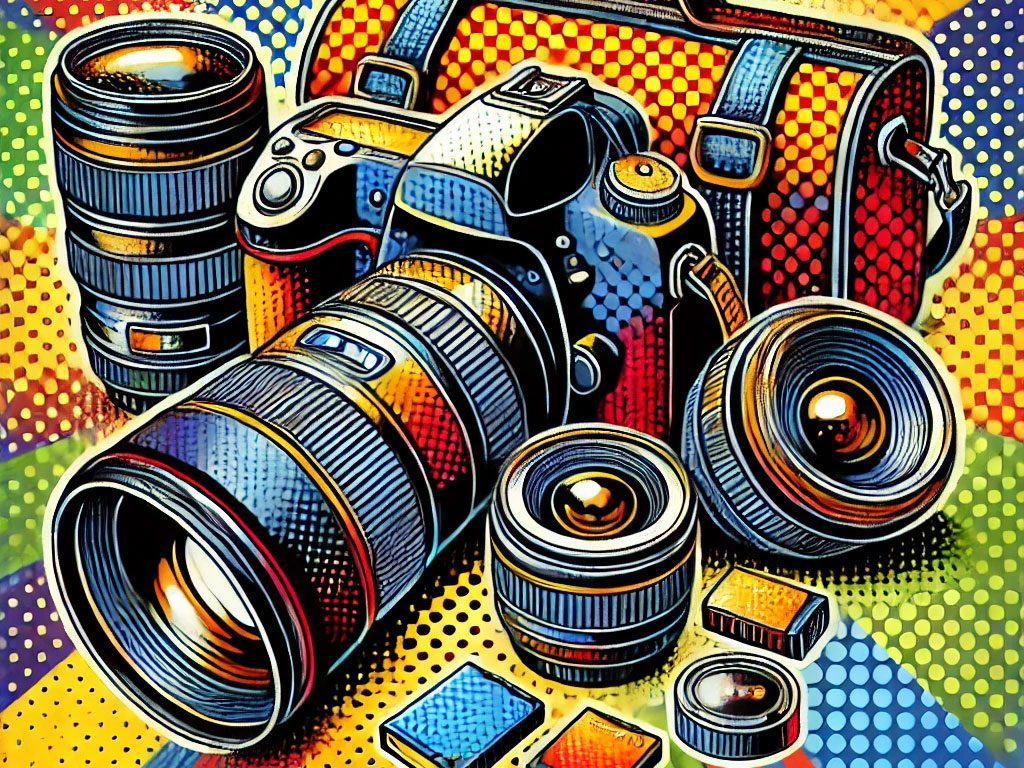
Camera Gear for Beginners: Don’t Blow Your Budget on the Body
If you’re just starting out in photography, you’ve probably asked yourself:
“Which camera should I buy?”
The internet is full of flashy new gear, and it’s easy to get caught up in specs, sensor sizes, and pro-level bodies. But here’s one of the most valuable tips seasoned photographers will give you:
–> Don’t spend all your money on the camera body. Invest in good lenses instead.
Why the Camera Body Doesn’t Matter (That Much)
Today’s entry-level mirrorless or DSLR cameras from Canon, Nikon, Sony, Fujifilm, etc., are all capable of producing high-quality images. Sure, there are differences in autofocus speed, dynamic range, or frame rates—but as a beginner, these won’t hold you back.
What really makes the difference?
Your lens.
Here’s why lenses matter more:
- A poor lens can ruin even the best camera.
- A good lens can make even an entry-level body shine.
- Lenses shape your creative control: depth of field, sharpness, light handling, and overall image quality.
The Smart Beginner Setup: What to Buy First
Let’s break down a basic kit that works—and doesn’t wreck your wallet.
1. A solid, affordable camera body
Pick an entry-level model with interchangeable lenses. Some great options:
- Canon EOS R50
- Nikon Z50
- Sony α6400
- Fujifilm X-S10
These bodies offer great image quality, ease of use, and room to grow.
2. A fast prime lens (like a 35mm or 50mm)
Skip the standard kit lens and go straight for a sharp, bright prime lens. For example:
- Canon RF 50mm f/1.8 STM
- Nikon Z 40mm f/2
- Sony 35mm f/1.8 OSS
- Fujifilm 35mm f/2 R WR
These lenses are affordable, tack sharp, and perfect for portraits, street, and everyday shooting—with beautiful background blur (bokeh).
3. A quality zoom lens (for flexibility)
If you want versatility, upgrade from the kit zoom to something sharper and brighter, like:
- Tamron 17-70mm f/2.8 (for Sony)
- Sigma 18-50mm f/2.8 DC DN (for multiple mounts)
These lenses offer more creative flexibility and better low-light performance.
4. A solid tripod
Essential for night photography, long exposures, or self-portraits. You don’t need the most expensive one – just make sure it’s stable.
5. Spare battery & memory card
Simple but critical. Nothing kills a shoot faster than running out of power or space.
Bottom Line: Buy Glass, Not Hype
Camera bodies age.
Lenses last.
If you’re starting out, skip the temptation to buy the newest or priciest body. Instead, grab a capable entry-level camera (around $600–$800), and spend the rest on lenses that will actually improve your photography.
Later on, you can always upgrade your body. But great lenses? Those stay with you.

Leave a Reply to esprunki Cancel reply